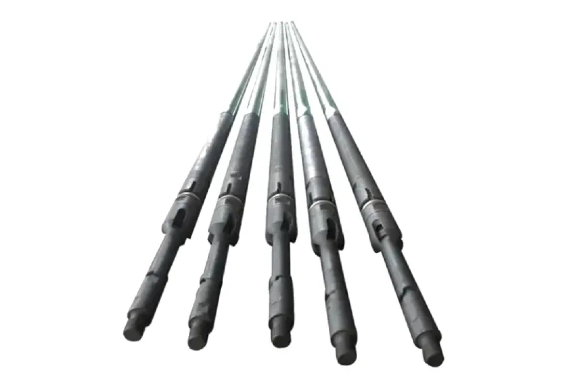
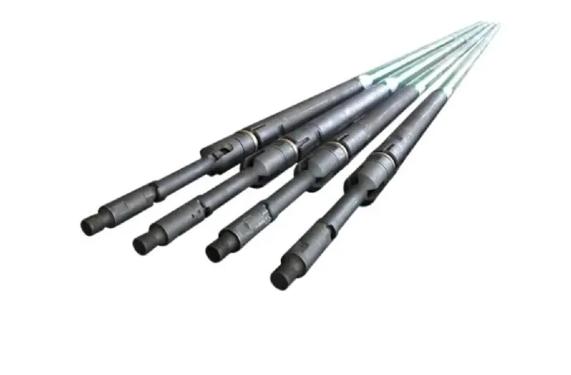
Sucker rod pumps have long been the backbone of the oil extraction process in wells that require artificial lift. These pumps work by lifting oil from wells that lack sufficient natural pressure to bring the oil to the surface. Despite their widespread use and proven effectiveness, like all mechanical systems, sucker rod pumps can experience problems that affect their performance. Understanding these issues, recognizing the signs early on, and knowing how to resolve them can significantly improve the efficiency and lifespan of your pumping system.
In this article, we will explore the most common problems associated with sucker rod pumps and provide practical solutions to each. By tackling these issues promptly, oil operators can ensure that their systems remain efficient, reliable, and cost-effective.
1. Rod Wear and Fatigue
a) Problem Overview
Rod wear and fatigue are some of the most common issues with sucker rod pumps. The rods are subjected to constant motion, as they transfer mechanical energy from the surface to the pump at the bottom of the well. Over time, this repetitive motion can cause the rods to wear down, leading to reduced efficiency or even failure if not properly managed.
b) Signs of the Problem
Reduced pumping efficiency: If the sucker rod pump’s output decreases, it might be due to rod wear.
Increased power consumption: As the rods wear, the pump may require more energy to lift the same amount of oil.
Visual wear on the rods: Checking the rods visually for wear or damage is one of the easiest ways to diagnose this issue.
c) Solution
To prevent and resolve rod wear, regular inspection and maintenance are crucial. Operators should:
Monitor rod condition regularly, checking for signs of wear, corrosion, or bending.
Replace worn-out rods promptly to avoid more severe damage to other components of the system.
Lubricate rods with appropriate grease to reduce friction and wear.
Install wear-resistant rods: Using materials such as chrome-plated rods or high-quality alloy steel can extend the lifespan of the rods.
Maintaining proper rod alignment and ensuring that the rods do not experience undue stress can also help minimize wear.
2. Pump Fillage (Cavitation)
a) Problem Overview
Pump fillage, often referred to as cavitation, occurs when there is an air or gas pocket trapped in the pump system. This can happen due to a variety of reasons, such as insufficient fluid levels, a malfunctioning valve, or changes in well pressure. Cavitation is problematic because it causes the pump to operate inefficiently and can lead to further damage over time.
b) Signs of the Problem
Erratic pump performance: The pump may exhibit inconsistent or irregular output if cavitation is occurring.
Strange noise: Cavitation often produces a “gravel-like” or “marbles rattling” sound, indicating that air pockets are present in the pump.
Vibration: Excessive vibration during operation can be another indicator of cavitation.
Foamy or air-laden oil: The oil coming from the pump may appear foamy or contain visible air bubbles.
c) Solution
To solve cavitation issues, follow these steps:
Check and maintain fluid levels: Ensure that the well has sufficient fluid levels to avoid the creation of gas pockets in the pump.
Inspect valves: Ensure that the check valves and suction valves are working properly. If they are damaged or not sealing correctly, air can enter the system, causing cavitation.
Proper pump speed: Operate the pump at the appropriate speed. Running the pump too fast can cause the fluid to be drawn in too quickly, leading to cavitation.
Pressure stabilization: In some cases, implementing pressure stabilization techniques, such as gas lift systems or surface pressure controllers, can help maintain steady fluid flow and reduce cavitation risk.
Increase pump capacity: If cavitation is persistent, it may be necessary to install a pump with higher capacity to handle the volume of fluid without air pockets forming.
Regular monitoring and maintenance are essential for preventing cavitation, as its effects can be severe if left unaddressed.
3. Sucker Rod and Tubing Wear
a) Problem Overview
In a sucker rod pump system, the sucker rods move up and down inside the well casing, which can result in wear against the tubing. This is a common issue, especially in wells with high production volumes or harsh operating conditions. The rubbing of the rods against the casing can cause damage to both the rods and the tubing, leading to costly repairs and downtime.
b) Signs of the Problem
Reduced pumping efficiency: A worn rod or tubing will lead to reduced efficiency in lifting oil from the well.
Leaking fluid: Worn tubing can cause oil to leak from the well, resulting in loss of production.
Visual damage: Inspecting the tubing and rods for visible signs of wear, such as scratches or grooves, is a common diagnostic method.
c) Solution
To mitigate sucker rod and tubing wear:
Regularly inspect tubing for damage or thinning and replace damaged sections promptly.
Use protective coatings: Installing liners or protective coatings inside the tubing can reduce the friction caused by the rods and prevent wear.
Align rods properly: Ensure that the sucker rods are properly aligned during installation and operation. Misalignment can cause uneven wear and excessive friction.
Install wear-resistant materials: Consider using more durable materials, such as ceramic liners or tungsten carbide coatings, in high-wear areas to reduce friction and wear.
Optimize rod stroke lengths: Shortening the stroke length or adjusting the speed of the pump can help reduce stress on the rods and tubing, extending their lifespan.
By carefully managing rod and tubing wear, oil operators can avoid costly repairs and minimize production downtime.
4. Seal and Valve Failures
a) Problem Overview
Seals and valves play a crucial role in maintaining the efficiency of the sucker rod pump. Seals ensure that fluids do not leak from the system, while valves regulate the flow of oil. Over time, seals can wear out, and valves can malfunction, leading to fluid leaks, loss of pressure, and reduced pump efficiency.
b) Signs of the Problem
Oil leaks: If oil is leaking from the pump or the tubing, it is often a sign that seals are failing.
Loss of pressure: Malfunctioning valves can result in a loss of pressure, making the pump less effective.
Inconsistent pump performance: If the pump's output becomes inconsistent or erratic, it may be due to valve or seal issues.
c) Solution
To prevent and fix seal and valve issues:
Regularly inspect seals and valves: Check the condition of seals and valves to ensure that they are functioning properly. Look for signs of wear, cracking, or deterioration.
Replace damaged seals: If seals are worn or damaged, replace them immediately to prevent oil leaks and maintain pressure in the system.
Test valve function: Periodically test the functionality of the check and suction valves to ensure they are sealing correctly and allowing proper flow.
Use high-quality seals: Install seals made from materials that can withstand the specific conditions of the well, such as high-temperature seals for wells with elevated temperatures.
Adjust pressure settings: Ensure that the pump operates at the correct pressure levels. Too much pressure can damage valves and seals, while too little pressure can reduce pumping efficiency.
By addressing seal and valve issues promptly, oil operators can prevent significant loss of oil production and avoid costly downtime.
5. Pump Jack Malfunctions
a) Problem Overview
The pump jack, which powers the sucker rods and provides the up-and-down motion required to lift oil, is a critical component of the system. If the pump jack malfunctions, the entire pumping process can be interrupted, leading to decreased production and potential damage to other components.
b) Signs of the Problem
Abnormal noises: If the pump jack produces strange or loud noises, it may be a sign that something is wrong with the mechanism.
Reduced pump speed: A malfunctioning pump jack will affect the speed of the pump and may cause slower oil lifting.
Vibration: Excessive vibration from the pump jack may indicate misalignment or mechanical failure.
c) Solution
To fix pump jack issues:
Inspect the pump jack regularly: Look for signs of wear, such as loose bolts, worn-out gears, or damaged bearings.
Lubricate moving parts: Ensure that all moving parts are properly lubricated to reduce friction and wear.
Check alignment: Make sure that the pump jack is correctly aligned with the sucker rods. Misalignment can cause unnecessary wear and affect performance.
Replace damaged components: If any parts of the pump jack are damaged, replace them promptly to avoid further issues.
A well-maintained pump jack ensures smooth operation and optimal performance of the entire sucker rod pump system.
Conclusion
Sucker rod pumps are crucial for efficient oil extraction, but like all mechanical systems, they can encounter problems. By understanding the most common issues—such as rod wear, cavitation, tubing wear, seal and valve failures, and pump jack malfunctions—and knowing how to address them, oil operators can maximize the efficiency and longevity of their sucker rod pump systems. Regular maintenance, prompt repairs, and the use of quality materials are key to minimizing downtime and maintaining consistent oil production.
Our company insists on continuous technological innovation, porsues excellence, and returns our customers with excellent quality, reliable quality, reasonable price and considerate service.