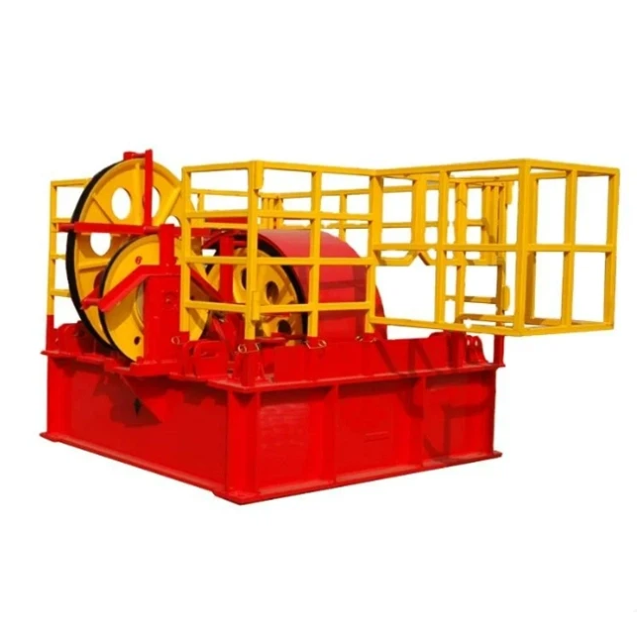
Selecting the right drilling rig crown block for your rig is crucial to ensuring efficient and safe drilling operations. One of the most important aspects to consider when choosing a crown block is the hook load rating. The hook load, often misunderstood or overlooked, plays a vital role in determining the appropriate specifications for a crown block, which in turn affects the performance and safety of your drilling rig. In this article, we will break down the concept of hook load ratings, how to interpret them, and why selecting the correct crown block specification is essential for safe and efficient operations.
What Is Hook Load and Why It Matters
Understanding the hook load is the first step in selecting the right drilling rig crown block. The hook load refers to the total weight hanging from the rig's hook, which typically includes the weight of the drill string, casing, and any additional equipment being lifted or lowered during drilling operations.
Defining Hook Load in Drilling Rig Context
In a drilling rig, the hook load is the weight that the crown block must handle. This weight is crucial to the functioning of the entire hoisting system. When drilling, the crown block, in conjunction with other components such as the traveling block and the draw works, works to manage and distribute the hook load efficiently.
The weight of the entire drill string, along with any tools or equipment being lowered or retrieved from the borehole, places a significant load on the crown block. Understanding this load is critical for selecting the right crown block that can handle the stress and weight without compromising safety or efficiency.
How the Crown Block Contributes to Handling Hook Load
The crown block helps distribute the hook load across multiple sheaves and reeving lines. By threading the drill line through the pulleys on the crown block, it significantly reduces the tension on the fast line, allowing for more efficient lifting and lowering operations. This load distribution ensures that the rig’s draw works are not overburdened, reducing wear and increasing the lifespan of the equipment.
In essence, the crown block enables the drilling rig to handle the substantial weight of the drill string without placing excessive strain on the entire hoisting system. This is crucial for maintaining smooth operations and ensuring that the rig functions efficiently without unnecessary downtime.
Interpreting Crown Block Specifications
When selecting a drilling rig crown block, it’s important to understand the specific hook load ratings associated with each model. The hook load rating tells you how much weight the crown block can safely handle and ensures that the block is suited for your rig's needs.
Understanding Typical Hook Load Ratings
The hook load rating of a crown block typically varies based on the model and design. For example, the TC Series Drilling Rig Crown Blocks come in a range of specifications that can handle different hook loads. Models such as the TC135 and TC585 are designed to manage hook loads ranging from a few tons to over 500 tons, depending on the specific requirements of the rig.
It’s essential to select a crown block that aligns with your rig’s capacity and the expected hook load. Choosing the correct hook load rating ensures that your equipment operates efficiently and safely, without overloading the system.
What to Check When Reviewing Crown Block Specifications
When reviewing the specifications of a crown block, consider the following factors:
Number of Sheaves: The number of pulleys on the crown block affects its load-bearing capacity and the ease with which it can distribute the weight.
Pulley Outer Diameter: A larger pulley diameter can reduce the wear on the wire rope and help maintain the efficiency of the hoisting system.
Wire Rope Diameter: The diameter of the wire rope that will be used with the crown block is a critical factor in ensuring the rig operates safely and efficiently. Using the correct diameter wire rope ensures proper fitting and reduces the risk of rope failure.
Frame Dimensions: The dimensions of the frame are crucial for ensuring compatibility with the rig’s derrick and hoisting system. Incorrectly sized frames can lead to installation issues and may impact the rig’s performance.
By evaluating these factors, you can ensure that the crown block you choose is appropriately matched to your rig’s specifications and operational requirements.
What Happens If You Undersize or Oversize the Crown Block
Selecting the wrong size crown block, whether undersized or oversized, can have significant consequences for the performance and safety of the drilling operation. Both scenarios come with their own set of risks.
Undersized Crown Block: Risks and Consequences
If a crown block is undersized for the expected hook load, the block may not be able to handle the weight effectively. This could lead to several problems:
Excessive Wear: The crown block will experience more wear, especially on the sheaves, as it struggles to distribute the load evenly. This can result in higher maintenance costs and more frequent replacements of parts.
Increased Risk of Failure: An undersized crown block is more likely to fail under the strain of excessive load, which could lead to catastrophic consequences, including damage to the rig or injury to personnel.
Reduced Lifespan: The crown block’s overall lifespan will be shortened due to the excessive strain placed on it, resulting in costly replacements and downtime.
Oversized Crown Block: Unnecessary Costs and Incompatibility
On the other hand, an oversized crown block may seem like a safer option, but it can create other issues:
Unnecessary Costs: Oversized crown blocks tend to be more expensive, and using one that is too large for the rig can be an inefficient use of resources.
Excess Weight: An oversized crown block adds unnecessary weight to the rig, which could affect the rig’s balance and stability.
Incompatibility: An oversized crown block may not fit properly within the rig’s existing hoisting system, leading to installation difficulties and potential issues with the rig’s overall performance.
Real-Life Implications for Drilling Operations
Using an incorrectly sized crown block can disrupt the efficiency of the drilling operation. In a real-world scenario, a mismatch in the hook load rating could lead to slower drilling speeds, increased downtime for maintenance, and the potential for catastrophic equipment failure. In addition to the direct operational consequences, the long-term cost of repairing or replacing damaged equipment can be significant.
Matching Crown Block to Your Rig’s Lifting System
To ensure safe and efficient drilling operations, it’s essential to match the drilling rig crown block to your rig’s lifting system. This involves evaluating several factors to determine the correct crown block model for your specific needs.
Evaluating Your Rig’s Capacity and Expected Loads
The first step in selecting the correct crown block is to evaluate your rig’s capacity and the expected loads during drilling operations. This includes:
Rig Capacity: The total weight the rig is designed to handle, including the weight of the drill string, casing, and any additional equipment.
Drill String Weight: The weight of the drill string is a critical factor in determining the hook load that the crown block must support.
Tripping Conditions: The conditions under which the drill string will be raised and lowered also influence the load on the crown block. For example, tripping with a heavy drill string requires a crown block capable of handling the additional weight.
How the TC Series Meets Different Hook Load Requirements
The TC Series Drilling Rig Crown Blocks offer a range of models designed to handle varying hook load capacities. For instance:
TC135: Suitable for lighter rigs with lower hook load requirements.
TC170 to TC585: Designed for heavier rigs with more demanding hook load ratings.
By selecting the appropriate model from the TC Series, you can ensure that your crown block is perfectly matched to your rig’s lifting capacity, enhancing both safety and efficiency.
Maintenance Considerations and Life-Cycle Cost
Regular maintenance of the crown block is essential for ensuring its longevity and continued performance. Proper maintenance can help reduce the likelihood of unexpected downtime and costly repairs.
Regular Inspection and Maintenance
It is important to regularly inspect the crown block for signs of wear or damage, particularly the sheaves and rope guard. Lubrication of the moving parts, such as the sheaves, helps maintain smooth operation and reduces wear over time.
Cost of Downtime vs. Proper Spec Upfront
Investing in a properly sized crown block with the correct hook load rating upfront can prevent the costly downtime that results from equipment failure or inadequate load handling. While a properly sized crown block may initially seem more expensive, the long-term savings in reduced maintenance costs and fewer equipment failures make it a smart investment.
Conclusion
Understanding the hook load rating of a drilling rig crown block is crucial for ensuring that your rig operates safely and efficiently. By selecting a crown block with the correct specifications, you can avoid the risks associated with undersized or oversized blocks, such as excessive wear, equipment failure, and increased downtime. The TC Series Drilling Rig Crown Block offers a reliable and cost-effective solution, meeting industry standards and providing the performance needed for safe and efficient drilling operations. For more information on how the TC Series can improve your operations, contact us today.
FAQ
1. What is hook load, and why is it important for selecting a crown block?
Hook load refers to the total weight hanging from the rig's hook. Understanding hook load is critical for selecting the right crown block, as it determines the load the crown block must safely handle during operations.
2. How do I determine the right crown block for my rig?
Evaluate your rig's capacity, expected loads, and tripping conditions. Matching these factors with the appropriate crown block model, like the TC Series, ensures compatibility and efficiency.
3. What are the risks of using an undersized crown block?
An undersized crown block can lead to excessive wear, a higher risk of failure, and a reduced lifespan, ultimately causing costly downtime and repairs.
4. How does the TC Series Drilling Rig Crown Block fit different hook load requirements?
The TC Series offers a range of models, such as the TC135 to TC585, designed to meet varying hook load capacities, making it easy to match the right crown block to your rig’s needs.


