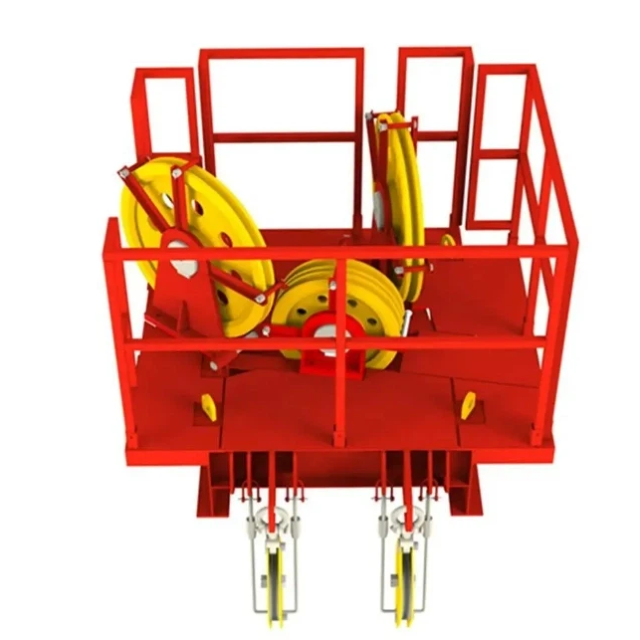
Correct installation and regular maintenance are vital to ensuring the longevity and performance of your crown block installation. A proper installation will maximize the effectiveness of the equipment, reduce the risk of operational failures, and extend the life of the crown block. Similarly, routine maintenance ensures that the drilling rig operates efficiently, preventing costly downtimes. In this article, we will provide practical tips on the installation and maintenance of drilling rig crown blockmaintenance, emphasizing the importance of proper procedures and highlighting the features of the TC Series Crown Block that make it easier to maintain.
Pre-Installation Checklist
Before beginning the installation of a drilling rig crown block, a thorough inspection and preparation process is crucial to ensure the rig’s components are ready to support the load and function optimally.
Verifying Model/Spec Match
The first step in installing a crown block is to verify that the specifications of the crown block match the needs of your rig. This involves ensuring that the hook load rating of the crown block is suitable for the expected weight the rig will handle. Additionally, you need to ensure that the number of sheaves, the rope diameter, and other key specifications align with the requirements for your drilling operation.
Inspection of Components Before Installation
Before installation begins, it’s essential to inspect all crown block components, such as sheaves, bearings, and rope-guard mechanisms. Sheaves should be free of cracks or signs of wear, as these can lead to inefficient operations or even catastrophic failure if left unchecked. Bearings should be lubricated and checked for any play, as any friction or damage could cause unnecessary wear during operation. Similarly, the rope guard mechanism must be fully functional to prevent the wire rope from slipping off or jumping out of place during lifting.
Rig Structural Check
Next, it’s important to check the rig structure, particularly the top of the derrick where the crown block will be installed. Ensure the mounting beams are properly aligned and capable of bearing the crown block’s weight and the associated loads. Any misalignment or structural issue here could lead to excessive wear on the crown block, improper installation, or even failure of the entire hoisting system.
Best Practices During Installation
Once all components are inspected and prepared, the actual installation process begins. Proper installation practices are critical to ensuring long-term functionality and safety.
Safe Lifting and Positioning of the Crown Block at Derrick Top
The crown block is a heavy piece of equipment that requires safe lifting techniques. It is important to use appropriate lifting equipment, such as cranes or hoists, to carefully raise the crown block and position it at the top of the derrick. Using appropriate lifting gear and ensuring that the crown block is securely positioned will reduce the risk of accidents during installation.
Alignment of Sheaves Relative to Traveling Block
Proper alignment of the sheaves is crucial for ensuring smooth operations. During installation, ensure that the sheaves on the crown block are aligned with the traveling block. Misalignment can cause the rope to rub against the sheaves, leading to increased friction, rope damage, and premature wear. Correct reeving alignment allows for optimal tension distribution across the wire rope, which ensures efficient lifting operations.
Ensuring Rope Guard, Auxiliary/Sand-Fishing Pulleys in Place
During installation, double-check that the rope guard, auxiliary pulleys, and sand-fishing pulleys are in place and fully functional. These components are essential for the smooth operation of the crown block. The rope guard, for example, prevents the rope from jumping off the sheaves, while the auxiliary and sand-fishing pulleys provide extra functionality, particularly in complex or multi-line operations.
Routine Maintenance and Inspection Schedule
Regular maintenance is key to keeping the drilling rig crown block maintenance in top condition. It not only helps prevent sudden breakdowns but also extends the operational life of the crown block.
Daily/Weekly Checks
Routine checks are necessary to ensure that all moving parts of the crown block are functioning properly. On a daily basis, inspect the sheave grooves for any signs of wear. Excessive wear can create flat spots on the wire rope, which will reduce the efficiency of the crown block and may lead to rope failure. Bearings should also be checked for proper lubrication to prevent unnecessary friction and wear.
Additionally, ensure the rope guard is functioning as expected and that no debris or sand is obstructing the pulleys. If any part of the rope guard is damaged or malfunctioning, it can lead to the rope slipping out of place, causing a potentially dangerous situation.
Monthly/Annual Checks
On a monthly or annual basis, more in-depth checks should be conducted. This includes inspecting structural bolts and the integrity of the frame to ensure there are no signs of fatigue or cracking. Regular non-destructive examination (NDE) of critical parts, such as the sheaves and pulleys, should be carried out to detect any internal wear or damage that could impact the performance of the crown block. Routine maintenance of these components ensures that the crown block continues to operate efficiently and safely over the long term.
Troubleshooting Common Problems
Even with regular maintenance, issues may occasionally arise. Identifying and addressing common problems quickly can prevent downtime and costly repairs.
Excessive Sheave Groove Wear
One common issue is excessive wear on the sheave grooves. Over time, as the wire rope moves over the sheaves, grooves can become worn, leading to flat spots on the rope. This can cause the rope to wear out faster, which may lead to equipment failure. It is important to check the sheave grooves regularly and replace them if necessary.
Rope Jumping Off Sheave
If the rope begins to jump off the sheave, it is typically due to misalignment or malfunctioning rope guards. In these cases, the rope-guard mechanism should be inspected to ensure it is functioning properly and securely holding the rope in place. Correcting the alignment of the crown block and traveling block sheaves will also help prevent this issue.
Misalignment Between Crown and Traveling Block
Misalignment between the crown block and traveling block is another issue that can occur, especially if the rig is subjected to excessive loads or the components have worn down over time. This misalignment can increase friction and generate heat, leading to premature wear of both the crown block and the traveling block. Regular alignment checks and prompt adjustment will help to minimize this issue.
Extending Service Life with the Right Product Choice
Choosing the right drilling rig crown block maintenance components and performing proactive maintenance are crucial for extending the service life of the equipment. The TC Series Crown Block, for instance, offers a range of features that make maintenance easier and more cost-effective.
Choosing a Crown Block with Features Facilitating Maintenance
The TC Series Crown Block is designed with features that make it easier to maintain. For example, the lifting frame included with the TC Series allows for easier repair of pulleys, reducing the time and effort required for maintenance. This feature alone helps minimize downtime and extend the service life of the crown block.
Spare Parts Interchangeability
The TC Series Crown Block offers interchangeable pulleys with matching traveling block pulleys, which significantly reduces maintenance time and costs. By using standard parts that can be swapped out between different components, rig operators can save both time and money when it comes to repairs and replacements.
Proactive Maintenance Reduces Downtime
A proactive approach to maintenance, such as regular inspections and addressing minor issues before they become major problems, helps to reduce the likelihood of unexpected breakdowns. With the TC Series Crown Block’s easy-to-maintain design, operators can ensure that their rigs run smoothly and efficiently for longer periods, minimizing costly downtime and repairs.
Conclusion
Proper crown block installation and maintenance are essential for ensuring that your drilling rig operates safely and efficiently. By following best practices during installation and implementing a comprehensive maintenance schedule, you can extend the life of your crown block and reduce the risk of equipment failure. The TC Series Crown Block, with its easy-to-maintain design and durable features, is an excellent choice for those looking to maximize the performance and longevity of their rig. By selecting the right product and investing in proper maintenance, you can ensure that your drilling operations remain smooth, safe, and cost-effective. For more information on the TC Series, contact us today.
FAQ
1. How often should I inspect my crown block?
It’s recommended to perform daily/weekly checks on critical components like sheaves and bearings, and conduct more in-depth inspections monthly or annually.
2. What are the common issues with crown blocks?
Common issues include excessive wear on sheave grooves, rope jumping off sheaves, and misalignment between the crown and traveling block.
3. How does the TC Series Crown Block make maintenance easier?
The TC Series includes features like a lifting frame for easy pulley repairs and interchangeable pulleys, which reduce maintenance time and costs.
4. Why is alignment important during installation?
Proper alignment ensures that the sheaves on the crown block and traveling block work together smoothly, preventing rope wear and reducing friction.


