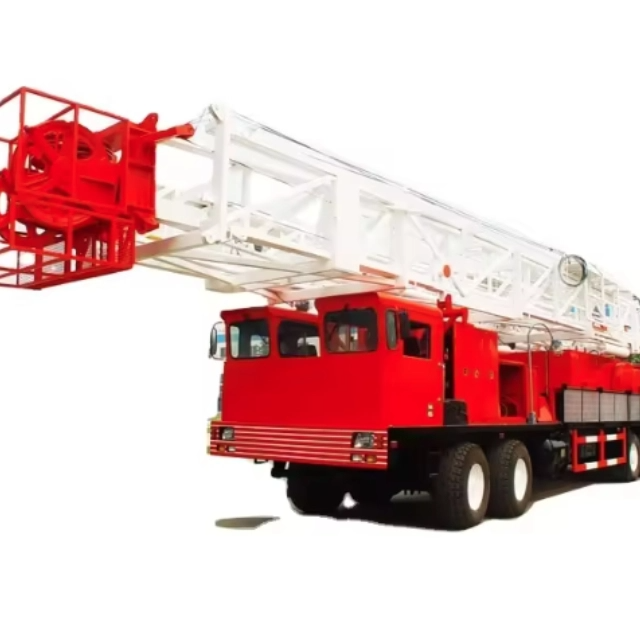
Global well stock is aging rapidly. Natural decline rates now hit 6% to 8% annually. Maintaining production through well intervention beats drilling new wells economically. Conventional rigs often cause unacceptable non-productive time (NPT). They also introduce high mobilization costs for routine servicing, completions, and plug-and-abandonment (P&A) operations.
A modern Truck-Mounted Drilling Rig Workover Rig solves these critical issues. It shifts the operational focus from static heavy lifting to high-frequency, high-mobility well servicing. This approach minimizes pad-to-pad transfer times. Rig-up processes happen in hours instead of days.
This guide provides a practical technical and commercial framework. You will learn to evaluate, shortlist, and procure truck-mounted units effectively. We focus on actual field realities rather than basic brochure specifications. You can build a more agile, profitable fleet by following these guidelines.
Key Takeaways
Favorable Economics: Successful workover interventions typically require only 10% to 25% of the capital expenditure of drilling a new well.
Mobilization is the Differentiator: Best-in-class efficiency begins before operation; rapid rig-up/rig-down capabilities (averaging 2–6 hours) directly protect operating margins.
Capacity Over-Specification is Necessary: Procurement must account for a 25%–50% safety margin on hook load to handle unexpected friction and overpull during operations.
Dual-Perspective Value: Strategic procurement satisfies operators (comfort, safer pipe handling) and fleet owners (fuel efficiency, simplified single-engine maintenance, compliance).
The Economic Reality: Why Fleet Owners Rely on Mobile Workover Rigs
Mature oilfields require continuous maintenance. Production levels drop naturally over time. Operators must stimulate existing wellbores to maintain profitability. Intervention provides immediate financial returns. We see a stark contrast in capital requirements here. Drilling a new well costs between $3 million and $15 million. A standard workover operation costs between $150,000 and $2 million. This massive financial difference drives the global demand for well servicing equipment.
Mature field dynamics dictate new operational strategies. Operators now rely on high-density, multi-well pads. This clustered layout changes equipment requirements fundamentally. Moving conventional structural rigs between pads takes days. You lose valuable production time during these slow transitions. Rapid mobilization becomes your primary return on investment driver. Mobile units drive directly onto prepared pads. They rig up quickly and start working immediately.
Equipment utilization rates determine fleet profitability. Fleet owners must maximize billable days. You cannot bill clients while trucks sit in transit. Truck-mounted units minimize transit and setup delays compared to skid-mounted rigs. Conventional setups require multiple crane lifts. They need extensive ground preparation. Mobile rigs eliminate most of these steps. Quick pad-to-pad moves mean you complete more jobs per month. This operational agility directly protects your profit margins.
Best Practices for Maximizing Utilization:
Schedule multi-well pad jobs sequentially to reduce highway transit.
Train crews specifically on rapid rig-up protocols.
Maintain transport permits proactively to avoid local regulatory delays.
Matching Technical Specifications to Well Depth and Interventions
You must define your operational envelope clearly before procurement. Understand the limits of your equipment. Truck-mounted rigs handle axial workover loads exceptionally well. Light drilling applications require rotational torque capability. You can add modular rotary tables to these rigs. Power swivels also help with sidetracking. However, the mast structure must support these twisting forces safely. Never use a standard servicing mast for heavy rotational drilling.
Selecting the right class of rig prevents catastrophic field failures. We use a depth and hook load matrix for accurate sizing. Shallow wells need light intervention. Deep wells demand massive chassis setups. The chart below outlines these operational categories clearly.
Operational Depth and Hook Load Summary Chart
| Intervention Category | Rig Class Examples | Target Depth Rating | Required Hook Load | Typical Applications |
| Shallow / Light | XJ250 / XJ350 | 3,100m – 4,000m | 450 kN – 900 kN | Basic servicing, rod pumping maintenance, cleanouts. |
| Medium / Deep | XJ450 / XJ550 | 4,500m – 7,000m | 1,125 kN – 1,350 kN | Deep completions, heavy tubing pulls, extensive fishing. |
| Ultra-Deep / Heavy | XJ650 / XJ750 | 8,000m+ | Up to 2,250 kN | Deep P&A jobs, heavy casing handling, sidetracking. |
Procurement requires balancing two distinct perspectives. Fleet owners look at long-term durability. Operators look at daily usability. You must satisfy both groups to achieve operational success. An unbalanced rig causes either financial strain or crew frustration.
The Owner Focus:
Compliance: Strict adherence to API 4F and GB/T 23505 standards.
Durability: High structural fatigue resistance in the mast and carrier.
Mobility: Advanced chassis drivetrain configurations (like 14x8 or 14x10).
Maintenance: Simplified single-engine designs for lower repair costs.
The Operator Focus:
Safety: Automated pipe handling systems reduce hand injuries.
Control: Pneumatic or water-cooled disc brakes offer precise stopping power.
Reliability: Robust hydraulic systems prevent mid-job operational interruptions.
Comfort: Climate-controlled cabins reduce driller fatigue during long shifts.
Mobilization and Fleet Integration: Reducing Non-Productive Time (NPT)
Pad-to-pad efficiency protects your operating margins directly. Best-in-class operations optimize logistics before the rig even arrives. Manufacturers now use integrated box-on-box substructures. They centralize hydraulic stations and accumulator units. This modular integration reduces total transport loads significantly. You need fewer flatbed trucks for each move. Fewer transport loads mean less highway coordination. Setup crews complete rig-up procedures in just two to six hours.
Road compliance creates major hurdles in remote locations. Heavy equipment easily damages rural infrastructure. You must match chassis designs to local highway weight regulations. Dimensional limits vary strictly by region. Smart engineering bypasses many labor restrictions. Certain lightweight chassis designs avoid specialized commercial driver's licenses. CDL exemptions exist in several North American jurisdictions. Leveraging these legal exemptions helps you overcome local labor shortages quickly.
Digital technology is the new baseline for oilfield equipment. IoT integration transforms how we maintain mobile rigs. Sensors monitor engine temperatures and hydraulic pressures constantly. Digital twins help engineers predict structural maintenance needs. They prevent unexpected downtime effectively. Remote well sites punish mechanical components. Remote monitoring software alerts your maintenance team before catastrophic failures happen. This predictive approach keeps your fleet running efficiently.
Common Mistakes in Fleet Integration:
Ignoring local bridge weight limits during route planning.
Failing to train drivers on integrated digital monitoring screens.
Overlooking the dimensions of trailing equipment like mud pumps.
Implementation Risks: Equipment Failures in Harsh Oilfield Conditions
Equipment fails quickly in harsh oilfield environments. Buying purely on brochure specifications is dangerous. You must never under-size your rig. Field realities demand extra power and structural resilience. We strictly follow a critical rule of thumb for procurement. You must calculate your maximum static string weight accurately. Then, add a 25% to 50% safety factor. Downhole friction slows pipe pulls continuously. Drag increases your hook load unexpectedly. Stuck-pipe scenarios require massive overpull force. A rig without reserve capacity will suffer structural failure here.
Extreme climates destroy sensitive hydraulic components. Arctic chills thicken hydraulic fluids instantly. Desert heat degrades rubber seals rapidly. You must address these specific hydraulic system vulnerabilities. Standard rigs rarely survive extreme weather conditions. Always request regional winterization packages for cold climates. These include specialized fluid heaters and insulated lines. Specify tropicalization upgrades for extreme heat environments. High-capacity cooling systems prevent hydraulic oil breakdown.
Structural fatigue ruins capital investments silently. Masts undergo severe dynamic shock loads daily. Frequent rig-up and rig-down cycles stress the steel joints. Pipe handling creates continuous vibration. A 10-to-15-year lifecycle demands robust fabrication standards. Inspect load-bearing welds frequently. Look for micro-fractures near the crown block and mast hinges. Preventative maintenance stops minor fatigue from becoming a collapsed mast.
The Truck-Mounted Drilling Rig Workover Rig RFQ Checklist
Procurement teams need a standardized evaluation framework. Vendors often submit confusing or misaligned proposals. You must evaluate bids accurately and fairly. Apples-to-apples comparisons prevent costly procurement mistakes. A comprehensive Request for Quotation (RFQ) checklist removes ambiguity. It forces manufacturers to address your specific field challenges.
Use the following core items when building your RFQ document. Detailed specifications protect you from underperforming equipment.
Target Well Depth and Pipe Sizes: Specify your maximum intervention depth clearly. List the exact weights and diameters of tubing or casing you handle.
Calculated Maximum Hook Load: Provide your baseline static weight. Explicitly state the required 25% to 50% overpull safety margin.
Chassis and Drivetrain Requirements: Define your terrain severity. Specify whether you need an 8x4, 10x8, or 14x10 drive configuration for off-road access.
Preferred Component Brands: List acceptable brands for engines, transmissions, and hydraulics. This aligns new equipment with your existing fleet maintenance programs.
Certifications and Legality Constraints: Mandate API 4F and API 7K certifications. Include local road legality constraints regarding axle weight and overall length.
Climate Adaptation Packages: Detail your operating environment temperatures. Request specific pricing for winterization or heavy-duty cooling modules.
Automated Handling Upgrades: Ask for options on hydraulic catwalks, power tongs, and automated slip systems. These features reduce crew fatigue.
Sample RFQ Evaluation Matrix
| Evaluation Criteria | Weighting (%) | Key Focus Area |
| Technical Capacity | 40% | Hook load margin, mast height, braking systems. |
| Mobility & Chassis | 25% | Axle configuration, road legality, turning radius. |
| Component Reliability | 20% | Tier-1 engine/transmission brands, hydraulic quality. |
| After-Sales Support | 15% | Spare parts availability, warranty terms, training. |
Conclusion
A modern mobile workover rig turns operational agility into a measurable financial advantage. Mature fields require continuous, fast-paced interventions. Conventional units simply move too slowly to maximize pad-to-pad efficiency. You protect your operating margins by shrinking rig-up times and minimizing transit delays. High mobility keeps your crews working and your wells producing.
Procurement teams must prioritize lifecycle reliability over the lowest initial purchase price. Under-sizing equipment leads to catastrophic NPT. Always secure a 25% to 50% safety margin on hook load. Factor in extreme weather conditions. Demand robust component brands that your mechanics already understand. Local road compliance is equally critical. Heavy fines or CDL labor shortages will erode your profitability quickly.
Your next step involves a deep operational audit. Review your current fleet's non-productive time metrics. Identify exactly where transit and setup delays occur. Then, utilize the RFQ checklist provided above. Engage with tier-one manufacturers confidently. You can negotiate better terms when you understand your exact technical requirements.
FAQ
Q: How much does a heavy-duty truck-mounted workover rig typically cost?
A: A heavy-duty unit typically costs between $500,000 and $1.1 million USD. The final price depends heavily on engine horsepower, depth ratings, chassis configurations, and custom automation features. Advanced hydraulic systems and extreme-climate packages also increase the initial capital requirement.
Q: How do I calculate the correct hook load for my workover operations?
A: Start by determining your maximum static string weight. Then, add a 25% to 50% safety margin. You absolutely need this extra capacity to handle downhole friction, drag, and unexpected stuck-pipe scenarios. Without this margin, you risk structural failure during overpull.
Q: Can a truck-mounted workover rig be used for light drilling?
A: Yes. Many modern models feature modular rotary tables and power swivels. These allow for sidetracking or shallow drilling. However, you must verify the mast structure is explicitly rated for rotational torque, not just vertical axial loads.
Q: What is the average setup time for a mobile workover rig?
A: Setup typically takes 2 to 6 hours on a prepared multi-well pad. Integrated substructures and centralized hydraulics speed up the process. This rapid deployment drastically reduces non-productive time compared to conventional skid-mounted rigs.


