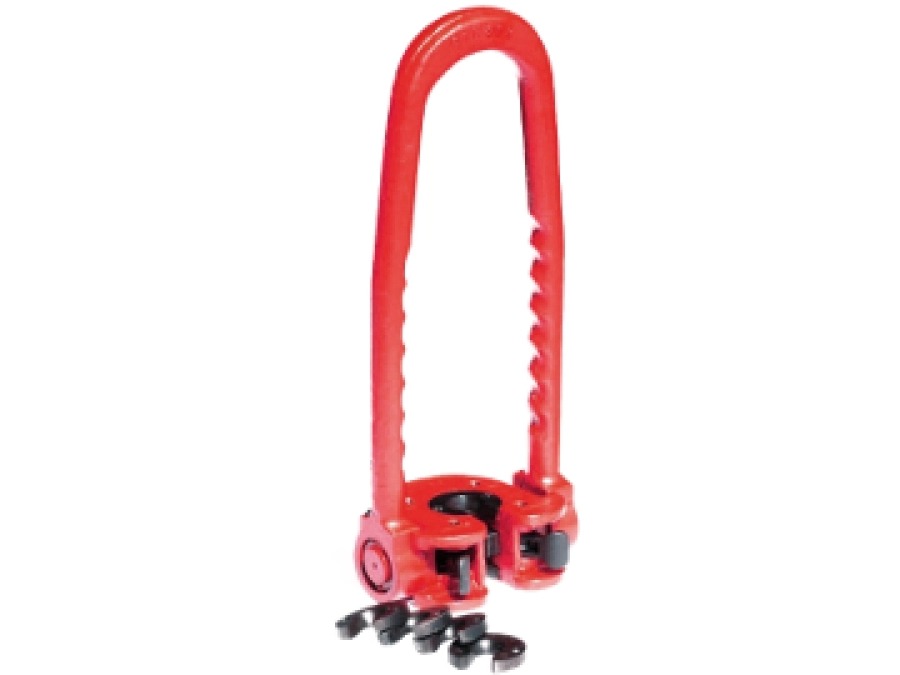
Handling sucker rod strings involves high-load repetitive cycles. In these harsh environments, equipment failure results in severe rig floor injuries. Dropped strings also lead to costly fishing jobs or total well shut-ins. While standard elevators handle tubulars, dedicated handling tools are necessary for solid rods. They are engineered specifically for the distinct geometries and upset profiles of rod strings. Specialized bores and latches accommodate these unique shapes safely.
For procurement teams and rig managers evaluating equipment upgrades, making the right choice is critical. Selecting the optimal handling tool requires balancing API compliance, load capacities, and operational ergonomics. This guide outlines how to evaluate and specify this critical equipment for maximum efficiency. You will learn core mechanical features, operational gains, and vital maintenance realities. These insights help you protect your crew and optimize your wellsite operations.
Key Takeaways
Risk Mitigation: Specialized latching mechanisms and precision-machined bores directly reduce the probability of dropped strings.
Operational ROI: Ergonomic designs decrease tripping time, minimizing total workover hours per well.
Evaluation Criteria: Procurement decisions must prioritize API 8C certification, correct load ratings (e.g., 25-ton vs. 40-ton), and rod size compatibility.
Maintenance Reality: Even premium sucker rod elevators require strict non-destructive testing (NDT) and visual inspection intervals to prevent catastrophic fatigue failure.
The Business Cost of Inefficient Rod String Handling
Downtime and Fishing Operations
Dropped strings represent one of the most severe operational failures during a workover. A failed catch during tripping turns a routine maintenance task into a multi-day fishing operation. When an elevator loses its grip, thousands of feet of steel free-fall down the wellbore. The resulting impact buckles the rod string, damages the tubing, and destroys the downhole pump. We frequently see rig crews spending days attempting to fish parted rods out of deviated wells. This extended downtime stops oil production completely. Operational delays drain daily rig rates and quickly escalate project budgets.
Safety and Compliance Liabilities
Rig floor safety relies heavily on reliable handling tools. Worn or improperly sized equipment introduces severe hazards. Workers face significant pinch points and crush injuries when operating degraded latches. When a crew struggles to secure a heavy string, erratic movements threaten everyone on the rig floor. Safety regulators and compliance auditors heavily scrutinize equipment failures causing worker injuries. Using non-specialized tools violates basic occupational safety standards. You must provide crews with tools designed specifically for the exact load and profile they handle.
Fatigue Under High-Cycle Loads
Tripping rods is a high-cycle operation. An unreliable Sucker Rod Elevator accelerates equipment wear under these repetitive dynamic loads. Pulling a long, heavy string exposes the metal to intense stress variations. Relying on degraded equipment causes micro-fractures to propagate quickly. This fatigue leads to unplanned replacements and dangerous operational delays mid-job. When tools fail prematurely, operations halt while crews scramble to source replacements. Dedicated, properly rated tools withstand these high-cycle environments reliably.
Core Mechanical Features That Drive Safety
Latch and Lock Mechanisms
Modern handling tools incorporate advanced primary and secondary locking systems. A solid body design provides superior structural rigidity compared to older plate styles. Positive locking systems prevent accidental unlatching during the crucial pick-up and lay-down cycles. When the rig block travels upward, dynamic forces attempt to rattle the latch open. A dual-latch system ensures the gate remains firmly closed around the rod. We recommend inspecting these mechanisms daily. Weak latch springs or worn lock pins compromise the entire safety system.
Precision-Machined Bores
The bore geometry dictates how safely the tool grips the rod. Manufacturers precision-machine these bores to match the exact profile of the rod upset. Perfectly matched geometries grip the rod upset securely without damaging the rod body itself. If the bore is too tight, it gouges the metal. These gouges create stress risers. Stress risers eventually lead to premature rod parting downhole. If the bore is too loose, the rod slips. High-quality machining ensures the load rests evenly across the entire contact area.
Bail Design and Load Distribution
Structural integrity defines the performance of trunnions and bails. During high-speed tripping operations, the equipment experiences severe dynamic shock loads. The rig block jerks upward, transferring massive kinetic energy through the elevator bails. A robust bail design disperses these forces evenly. Symmetrical load distribution prevents the tool from tilting or binding. When the tool stays perfectly vertical, the rod string aligns smoothly with the wellhead. This alignment prevents side-loading, protecting both the handling tool and the rod from excessive wear.
Key Structural Advantages
Reinforced Trunnions: Prevent premature wear at the pivot points where links attach.
Solid-Cast Bodies: Eliminate weak points found in welded or heavily bolted assemblies.
Contoured Bails: Ensure seamless movement within the traveling block hook.
Integrated Safety Latches: Provide tactile feedback to the operator when fully engaged.
Operational Efficiency Gains During Tripping Operations
Cycle Speed Without Sacrificing Safety
Balanced elevator designs directly reduce worker fatigue. Rig hands routinely work 12-hour shifts. Lifting, latching, and unlatching heavy tools manually exhausts crews quickly. Ergonomic designs allow operators to maintain consistent make-up and break-out speeds all day. Lighter, high-strength alloy constructions minimize the physical strain on the floor hands. When crews experience less fatigue, they make fewer mistakes. Consistent cycle speeds shrink total workover hours, returning the well to production faster.
Seamless Integration with Rig Infrastructure
You must ensure new handling tools integrate flawlessly with your existing rig infrastructure. Compatibility with standard hooks, links, and rig floor layouts is essential. A poorly matched tool requires expensive operational workarounds. For instance, if the bails do not fit the existing links properly, crews waste time forcing connections. Standardized dimensions allow the tool to hang perfectly plumb. This natural alignment speeds up the latching process as the rod string emerges from the wellbore.
Handling Variable String Configurations
Modern wells often utilize tapered rod strings. A crew might pull 1-inch rods near the surface and transition to 3/4-inch rods deeper down. High-efficiency tools handle multiple rod sizes seamlessly. Interchangeable insert plates allow one tool body to accommodate 5/8-inch up to 1-1/8-inch sizes, plus polished rods. Minimizing full tool swaps saves substantial time. Crews simply swap the precision inserts instead of rigging down heavy bails.
Rod Size (Inches) | Typical Upset Diameter | Recommended Elevator Configuration |
5/8" | 1.250" | Standard Body + 5/8" Insert |
3/4" | 1.500" | Standard Body + 3/4" Insert |
7/8" | 1.625" | Standard Body + 7/8" Insert |
1" | 2.000" | Standard Body + 1" Insert |
1-1/8" | 2.250" | Heavy-Duty Body + 1-1/8" Insert |
How to Evaluate and Select the Right Sucker Rod Elevator
Match Capacity to Well Depth and String Weight
Load limits determine the safety of your operation. You must match the capacity to the maximum expected string weight. Shallow wells utilizing lightweight rods often require standard 25-ton capacities. Deep, deviated wells pulling heavy, fluid-filled strings demand heavy-duty 40-ton tools. Calculate the total dry weight of the steel first. Then, add a safety margin for overpull. Overpull happens when the pump gets stuck in sand or scale. If you under-size the tool, dynamic shock loads will exceed the yield strength of the steel.
Verify API 8C Specifications
Industry standards separate reliable equipment from dangerous imitations. The American Petroleum Institute governs hoisting equipment under API Specification 8C. This certification is an absolute necessity. API 8C dictates stringent design criteria, load testing procedures, and material strength requirements. Manufacturers must subject their designs to rigorous proof-load testing before certifying them. Always inspect the tool body for the official API monogram stamp. Using uncertified equipment invites catastrophic failure and voids operational insurance policies.
Material Traceability and Quality Assurance
Premium steel prevents catastrophic fatigue. Buyers should always demand full metallurgical certifications from the manufacturer. Material Test Reports (MTRs) prove the chemical composition of the steel alloy. You also need heat-treatment records. Proper heat treating aligns the grain structure of the metal, maximizing its tensile strength. Without complete material traceability, you cannot guarantee the tool will perform under pressure. Rig operators must keep these records on file for compliance audits and safety verification.
Evaluation Checklist
Calculate the maximum possible wet string weight.
Add a 20% to 30% safety factor for dynamic overpull.
Verify the manufacturer holds a current API 8C license.
Request and file all Material Test Reports (MTRs).
Confirm the bore sizes match your specific rod upsets perfectly.
Implementation Risks and Maintenance Realities
The Risk of Size Mismatches
One of the most dangerous rig floor errors involves size mismatches. Crews sometimes try using worn elevators on undersized rods. For example, lifting a 3/4-inch rod using an elevator machined for 7/8-inch rods compromises the grip entirely. The rod upset barely catches the edge of the bore. Under dynamic load, the metal slips. This slippage leads directly to dropped strings. You must train personnel to verify the stamped size on the tool before latching onto the well center.
Inspection Frameworks
Consistent maintenance prevents accidents. You must implement a realistic maintenance schedule based on API RP 8B guidelines. Floor hands should perform daily visual checks. They must look for crack propagation, excessive trunnion wear, and bent latch pins. Beyond visual checks, you need scheduled Non-Destructive Testing (NDT). Magnetic Particle Inspection (MPI) detects microscopic surface fractures invisible to the naked eye. Annual MPI testing ensures the structural integrity remains intact after months of heavy pulling.
Inspection Level | Frequency | Action Required |
Category I (Visual) | Daily / Pre-job | Check latches, springs, and bore surfaces for visible gouges or debris. |
Category II (Operational) | Monthly | Grease trunnions, test latch tension, verify pin alignments. |
Category III (NDT) | Bi-annually | Perform Magnetic Particle Inspection (MPI) on critical load-bearing areas. |
Category IV (Major) | Annually / 5-Year | Complete teardown, dimensional tolerance checks, and proof load testing if repaired. |
Lubrication and Storage
Corrosion destroys high-strength alloys quickly. Wellsite environments often expose tools to heavy brines, drilling mud, and hydrogen sulfide (H2S). H2S causes hydrogen embrittlement, making steel brittle and prone to snapping. Specify real-world handling practices to prevent this degradation. Crews must power-wash the tools after every job to remove corrosive fluids. Apply heavy marine-grade grease to the latch pins and pivot points. Store the equipment inside dry, weather-proof rig boxes to prevent spring failure and rust.
Conclusion
Investing in a high-grade Sucker Rod Elevator stands as your primary defense against catastrophic rig floor incidents. Proper equipment eliminates the dangerous pinch points and slipping hazards associated with worn-out tools. It also directly accelerates your workover times by reducing crew fatigue.
To improve your rod handling operations, take immediate action. First, audit your current handling tools to identify worn or mismatched equipment. Next, calculate your exact string weights based on your deepest wells. Finally, consult with certified API manufacturers to align equipment specifications precisely with your operational demands. Taking these steps ensures your site remains safe, compliant, and highly productive.
FAQ
Q: What is the standard load capacity for a sucker rod elevator?
A: Standard capacities typically range from 20 to 40 tons. Shallow wells utilizing lighter steel or fiberglass rods usually require 20 to 25-ton tools. Deep, deviated wells with heavy fluid loads demand heavy-duty 40-ton elevators to handle safely the increased dynamic shock limits.
Q: Can one sucker rod elevator handle continuous rod (COROD) and conventional sucker rods?
A: No. Continuous rod requires specialized handling equipment, such as gripper units and spoolers, because it lacks connection joints. Standard elevators are engineered specifically to grip the upset ends of conventional joined sucker rods.
Q: How often should a sucker rod elevator undergo non-destructive testing (NDT)?
A: Industry best practices, following API RP 8B guidelines, recommend performing NDT (like Magnetic Particle Inspection) at least annually. High-usage rigs or tools operating in heavily corrosive environments should undergo bi-annual NDT testing to maintain strict safety compliance.
Q: What happens if the elevator bore is larger than the rod upset?
A: The physical risk is immediate and severe. The rod will slip directly through the oversized bore. This mismatch results in a dropped string downhole and creates a high probability of severe rig floor injuries due to falling steel.


