When it comes to extracting oil from wells with insufficient natural pressure, one of the most widely used solutions is the sucker rod pump. This type of pump system is designed to lift oil from reservoirs that do not have enough pressure to push the oil to the surface on their own. Sucker rod pumps are essential in ensuring that oil production continues efficiently in such wells.
However, with different well conditions, oil viscosities, and production demands, selecting the right sucker rod pump for your well can be a complex decision. In this comprehensive guide, we’ll explore everything you need to know about selecting the ideal sucker rod pump for your oil well. From understanding the components of the system to considering operational factors, we’ll walk you through the process to help you make an informed choice.
1. What is a Sucker Rod Pump?
Before diving into the selection process, it’s important to understand what a sucker rod pump is and how it works. A sucker rod pump is a mechanical pumping system used in oil extraction, primarily in wells that lack sufficient natural pressure to lift the oil to the surface. It uses a combination of a pump jack, sucker rods, and a downhole pump to lift the oil to the surface.
The system operates through the up-and-down motion generated by the pump jack at the surface, which is transmitted through the sucker rods to the downhole pump located at the bottom of the well. The pump then lifts the oil to the surface in a continuous cycle. This process is particularly effective in shallow to medium-depth wells and is widely used in onshore oil fields.
2. Key Components of a Sucker Rod Pump
Understanding the main components of a sucker rod pump will help in choosing the right system for your well. The primary components include:
The pump jack, or walking beam, is the surface equipment that provides the up-and-down motion necessary for the pumping process. It is powered by an electric motor or engine, which generates mechanical energy. The pump jack transfers this energy to the sucker rods, creating the motion that drives the downhole pump.
b) Sucker Rods
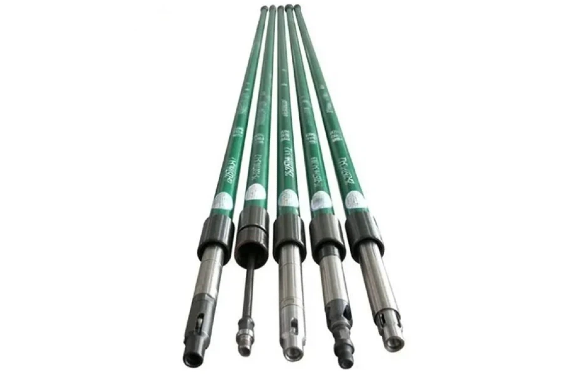
Sucker rods are long steel rods that connect the pump jack to the downhole pump. They are designed to transmit mechanical energy from the surface to the pump below. The rods must be strong enough to handle the stresses of continuous motion, and they can be made from different materials to suit specific well conditions.
c) Downhole Pump
The downhole pump is located at the bottom of the well and is responsible for lifting the oil. It consists of a plunger, check valves, and a barrel. The plunger moves inside the barrel to create a vacuum that draws oil into the pump. The check valves ensure that oil flows upward, and the barrel holds the plunger and valves in place.
d) Valves
The suction valve and discharge valve are essential components in the downhole pump. The suction valve allows oil to enter the pump chamber, while the discharge valve controls the flow of oil as it moves upward toward the surface. These valves ensure that oil moves in one direction—up to the surface.
3. Factors to Consider When Selecting a Sucker Rod Pump
When selecting a sucker rod pump for your oil well, it’s important to consider various factors that can influence the performance and efficiency of the pump. Below are the key factors you should take into account:
a) Well Depth
The depth of the well is one of the most significant factors in selecting a sucker rod pump. The deeper the well, the more powerful the pump needs to be to lift the oil to the surface. Sucker rod pumps are generally best suited for shallow to medium-depth wells, typically those under 3,000 feet. For deeper wells, other lifting methods like electric submersible pumps (ESPs) may be more appropriate.
For shallow wells, a standard sucker rod pump may be sufficient.
For deeper wells, it may be necessary to select a pump with more robust components, such as stronger sucker rods or a more powerful pump jack, to handle the increased workload.
b) Well Pressure
The pressure of the oil reservoir plays a critical role in the pump selection process. Sucker rod pumps are ideal for wells with low to moderate pressure. If the well’s natural pressure is insufficient to lift the oil to the surface, the sucker rod pump creates mechanical force to move the oil upward.
However, if the well has high natural pressure, the system may not be able to cope with the force required to lift the oil efficiently. In such cases, you might need to adjust the pump size or choose a different artificial lift method that can handle higher pressures.
c) Oil Viscosity
The viscosity of the oil refers to how thick or thin the oil is. Viscosity is an important consideration because thicker oils are more difficult to pump. Sucker rod pumps are effective for lifting oil of varying viscosities, but special care is needed for heavy crude oil or oils with high viscosity.
If your well produces highly viscous oil, you may need to choose a sucker rod pump that is specifically designed for heavy oil extraction. In these cases, the pump should be equipped with wear-resistant components and larger pump barrels to handle the thicker fluids.
d) Pump Capacity
Each sucker rod pump is designed to handle a specific flow rate or capacity. It’s important to select a pump that can handle the expected production volume of your well. Choosing a pump that is too small can lead to inefficiencies, while selecting a pump that is too large can result in unnecessary energy consumption and higher operational costs.
To determine the appropriate capacity, you should assess the expected daily oil production (in barrels per day, or BPD) of the well and match it to the pump’s rated capacity. This will ensure that the pump can handle the oil flow without causing overloading or underperformance.
e) Rod Length and Material
The length and material of the sucker rods are critical factors in determining the pump’s efficiency and durability. Rods must be long enough to reach the bottom of the well while being strong enough to withstand the mechanical stress of constant motion.
Material: Sucker rods are typically made of high-strength steel, but for wells with harsh conditions (such as high temperatures or corrosive fluids), stainless steel or chrome-plated rods may be required to prevent wear and corrosion.
Length: The length of the rods must match the depth of the well, ensuring they can transfer motion effectively from the surface equipment to the pump below.
f) Well Conditions and Environment
The overall environmental conditions of the oil field are also important considerations when selecting a sucker rod pump. Factors such as temperature, humidity, salinity, and geological characteristics of the reservoir can affect the performance of the pump. For example, wells located in offshore environments may require special coatings and corrosion-resistant materials to withstand the salty, high-humidity environment.
Additionally, wells that are prone to gas interference, such as gas lift wells, may require special configurations to prevent gas from entering the pump system and causing operational issues.
")
4. Types of Sucker Rod Pumps
There are different types of sucker rod pumps available, and the right choice will depend on the specific requirements of your well. These include:
a) Standard Sucker Rod Pumps
These are the most commonly used type of sucker rod pump and are suitable for shallow to medium-depth wells. They are relatively simple in design and can be used in wells with moderate production rates and pressures.
b) Heavy-Duty Sucker Rod Pumps
Heavy-duty pumps are designed for wells with higher production rates and deeper depths. They are built with stronger components, such as reinforced rods, heavy-duty pump jacks, and larger barrels to handle increased workload and more demanding conditions.
c) High-Viscosity Sucker Rod Pumps
These pumps are specifically designed for wells that produce heavy crude or viscous oil. They feature larger barrels and wear-resistant components to handle the thicker fluids and prevent damage to the pump.
5. Maintenance and Lifespan Considerations
When selecting a sucker rod pump, you should also consider the maintenance and lifespan of the system. Regular maintenance is essential to ensure the longevity of the pump and prevent downtime. Factors such as wear and tear on the rods, pump barrel, and valves should be monitored.
Choosing a reliable, durable pump with easily replaceable components can reduce maintenance costs over time and improve the overall efficiency of the system.
6. Conclusion
Selecting the right sucker rod pump for your oil well is a crucial decision that requires careful consideration of several factors, including well depth, well pressure, oil viscosity, pump capacity, and environmental conditions. By understanding these factors and selecting the appropriate system, oil operators can optimize production and reduce costs associated with maintenance and downtime.
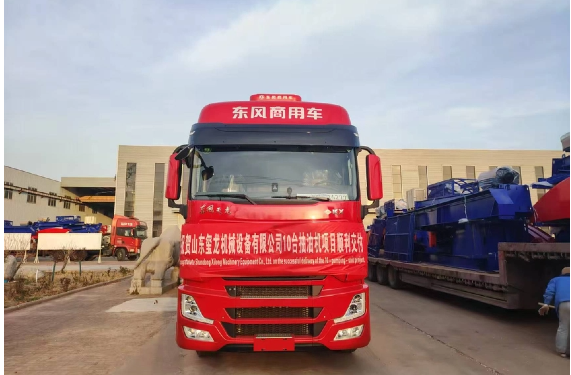
Shandong Xilong Machinery Equipment Co., Ltd. is a leading manufacturer of high-quality sucker rod pumps and other oil field equipment. With extensive experience in providing reliable and efficient pumping solutions, Shandong Xilong offers pumps that are tailored to meet the specific needs of oil operators. Their commitment to quality and innovation ensures that you get the most effective and durable equipment for your oil well, helping you maintain a smooth and productive operation.